170+ Enterprises Trust Holograph to Cut Software Costs. Now We Do It for AI.

AI Licenses That Pay for Themselves

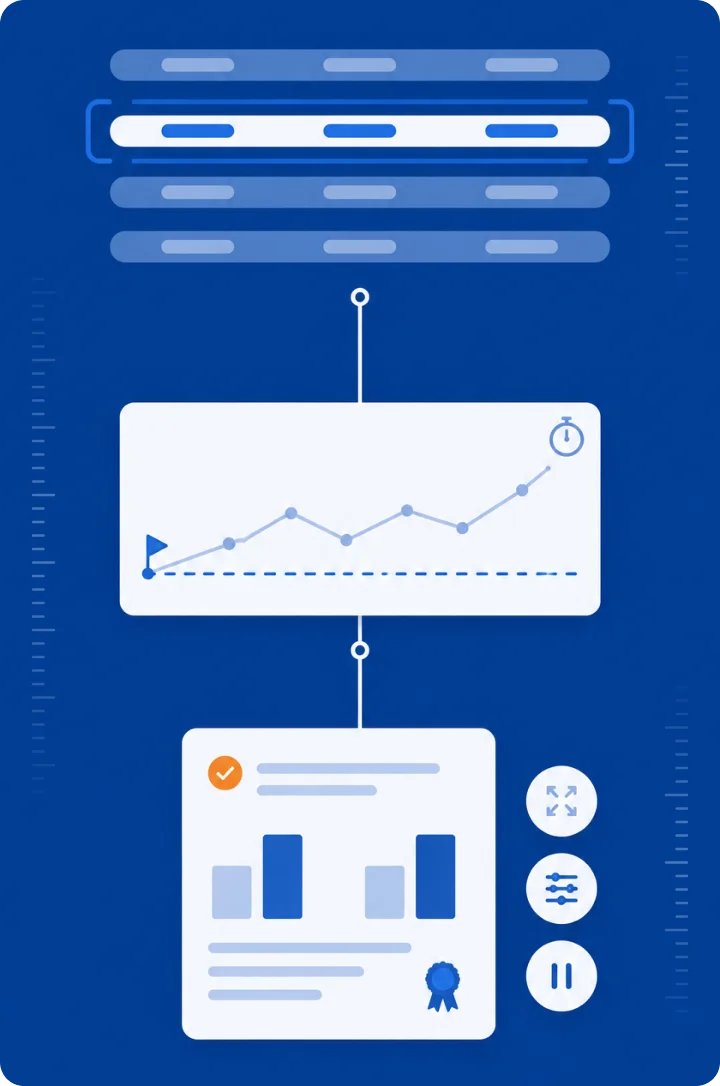
We help teams buy only the AI seats they use, roll them out where they pay off, and prove the return with real figures.

Use Cases Picked on Return

Every AI idea is scored on your data and its expected return before anyone builds it.

No Idle Seats

We match AI seats to real usage and fit the plan tier before renewal.

Every Team Trained on Its Own Work

Hands-on sessions built around each team's own tasks, so seats get used.

Token Spend Under Control

See token use by team and model, and route each task to the cheapest model that does the job.

Three Questions AI Makes Hard to Answer

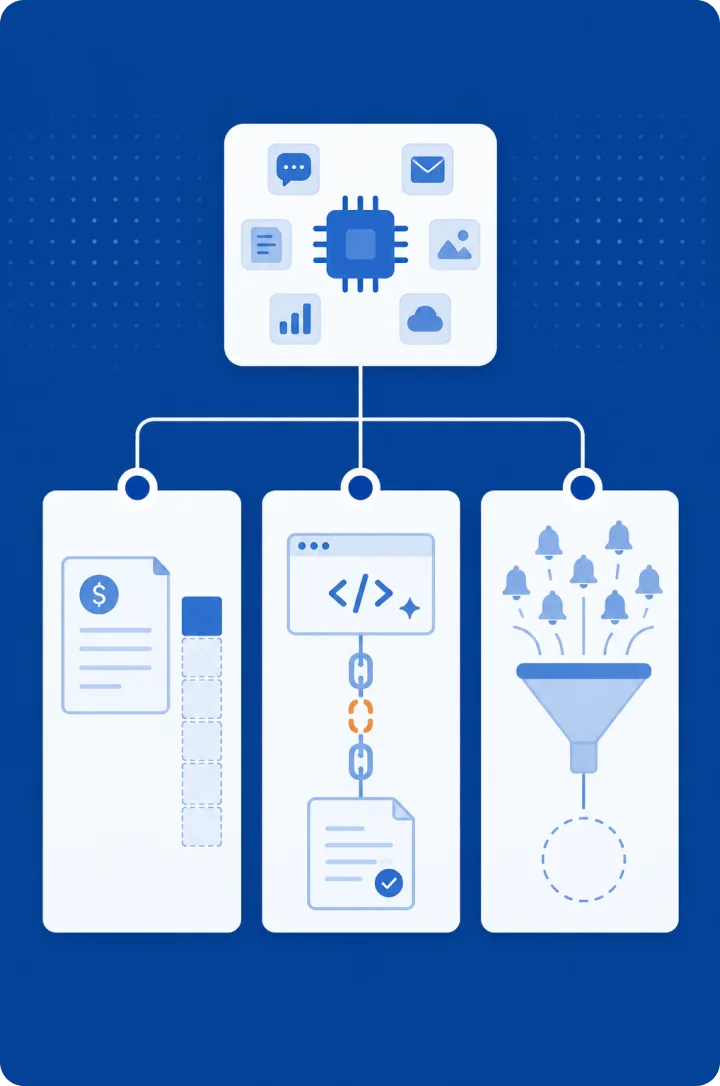
Once AI is in daily use, finance, auditors and on-call engineers start asking. Most teams cannot answer yet.
how it works

An AI Bill Nobody Can Break Down

60% of organizations have no enterprise-wide view of AI costs. When the invoice jumps, nobody can say which team, model or product caused it.

An Auditor Asks About AI-Written Code

In Veracode's tests, 44% of AI coding tasks produced a known vulnerability. You need a record of what AI wrote, what checks it passed and who reviewed it.

An Incident With Dozens of Alerts and No Clear Cause

The on-call engineer loses an hour finding the alert that matters, and the review gets written from memory.

Sources: Capgemini, Sept 2026; Veracode 2026 GenAI Code Security Report.
Why Half of AI Pilots Never Reach Production

Gartner found at least 50% of generative AI projects were abandoned after proof of concept, often over cost or unclear value. A pilot proves the tech works. It leaves three decisions open.

Source: Gartner.

Holograph Pattern

Three Service Lines. One Free Way In.

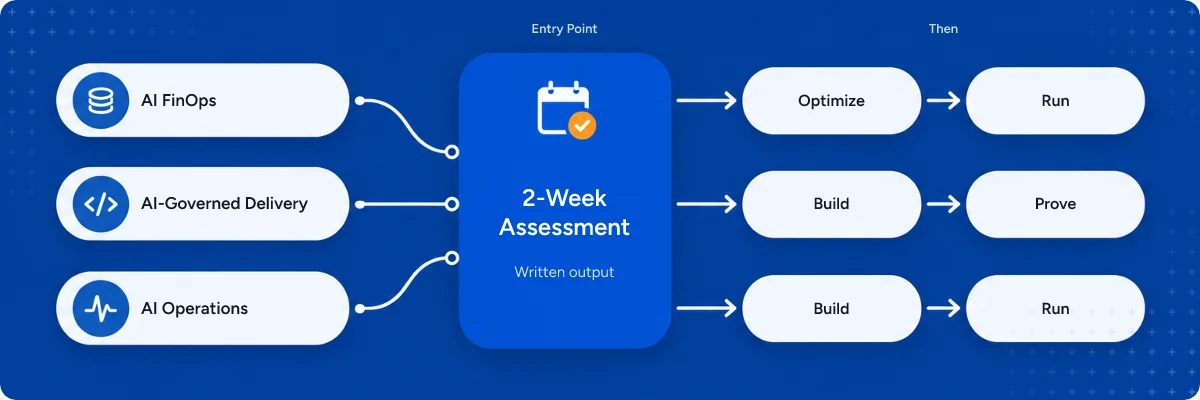
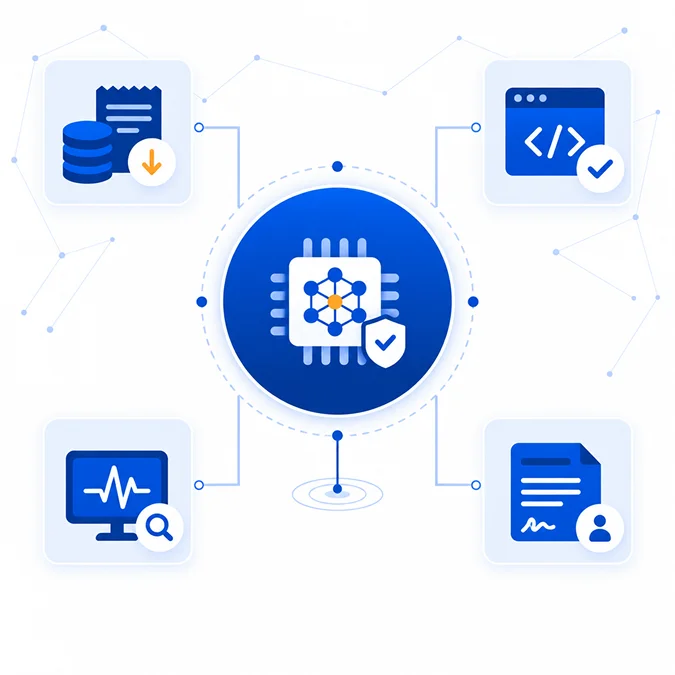
Each line starts with a fixed two-week assessment and ends in a written report. Start with spend: the savings fund the other two.
Service line Scope Assessment What you get
AI FinOps AI API, GPU and seat spend, including shadow AI AI Spend Assessment (free) A one-page view of AI cost by team and a ranked savings backlog
AI-Governed Delivery AI coding assistants and agents in your SDLC AI Delivery Readiness Assessment A gap report and a prioritized roadmap
AI Operations AI-assisted incident analysis AIOps Readiness Assessment A readiness report and prioritized use cases

Services

AI FinOps: Control Spend Across APIs, GPUs, Seats and Shadow AI

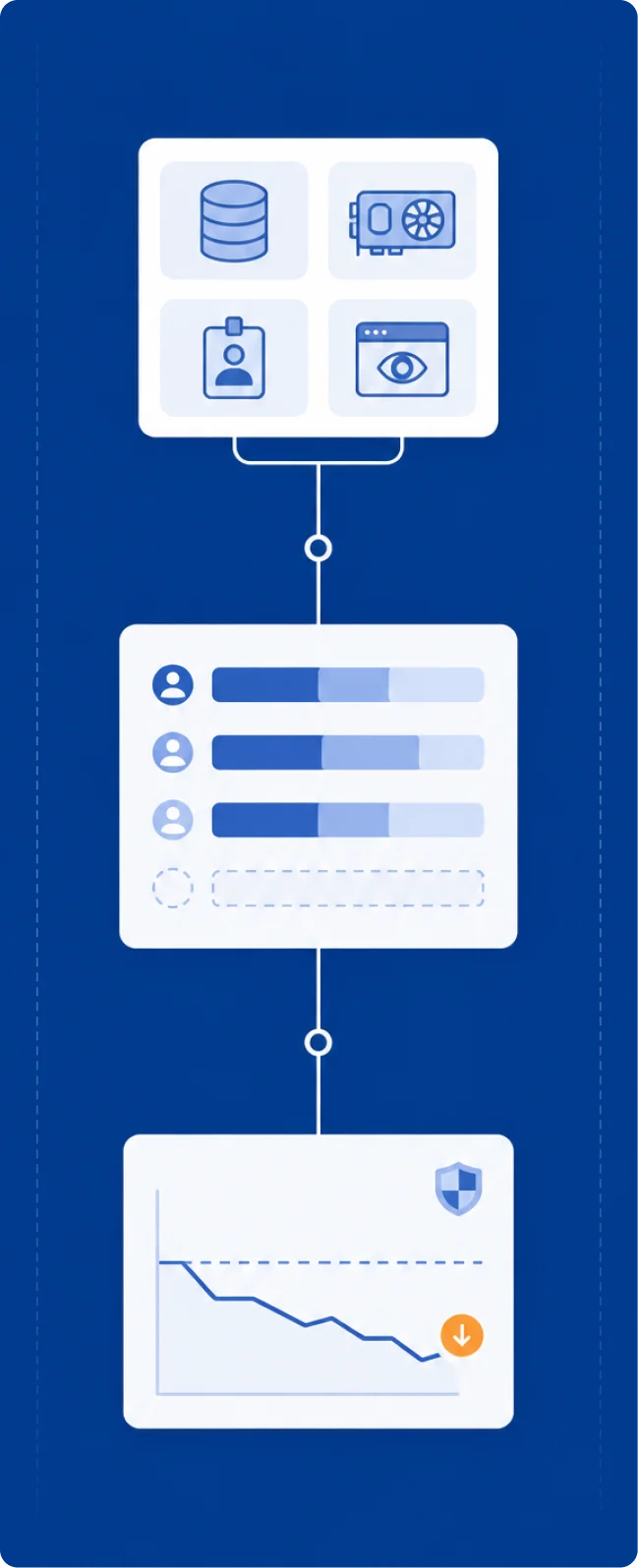
We inventory what you spend on AI, find what is paid for and unused, and put controls in place before the next renewal.
AI Spend Assessment
Assess
Every token, GPU, seat and API key mapped to a team, with a cost baseline to measure savings against.
Shadow AI Discovery
Assess
Find the AI tools nobody approved, using SSO, expense and network data.
Seat and License Rightsizing
Optimize
Reclaim idle AI seats and fit plan tiers before the next renewal.
Token and Model Optimization
Optimize
Route each request to the cheapest model that does the job, with caching and shorter prompts.
GPU and Inference Cost Control
Optimize
Rightsize GPUs, move batch work off-peak and use spot capacity where it is safe.
Showback and Budget Guardrails
Run
Cost by team and by agent, with quotas and alerts before a budget breaks.
Managed AI FinOps
Run
A monthly spend review and forecast your CFO can read in five minutes.
Spend visibility runs on CostRoom, a partner platform.

AI-Governed Delivery: Ship AI-Written Code You Can Defend

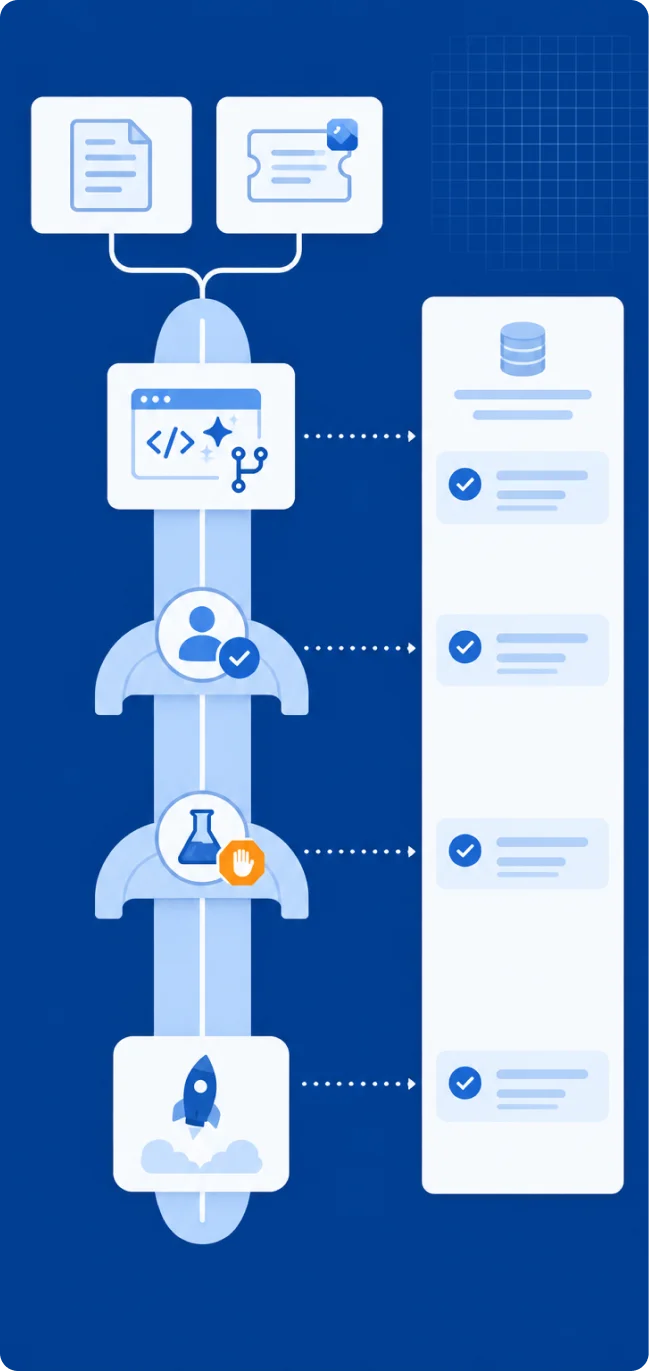
We set up your repositories and CI pipelines so every AI-written change carries a record. It shows which requirement the change came from, which standards it passed, who approved it and what it cost.
AI Delivery Readiness Assessment
Assess
A review of your repos, pipelines, Jira and Confluence, and how your teams use AI tools today.
Harness-Based SDLC Setup
Build
Agents, skills, hooks and guardrails wired into your repos and CI.
Standards as Code
Build
Coding, security and architecture rules become automated checks that run before merge.
Engineering Knowledge Graph
Build
Code, tickets, pages and incidents linked, so agents work from real context.
Requirement-to-Release Traceability
Build
Requirement, ticket, AI pull request and release linked in one export your auditor can follow.
Quality and Budget Gates
Build
Review and test gates that block risky merges, plus token budgets per team.
Governed Pilot Squad
Prove
One squad works through the setup, and you get a before-and-after report.

AI Operations: Read-Only AI for Faster Incident Analysis

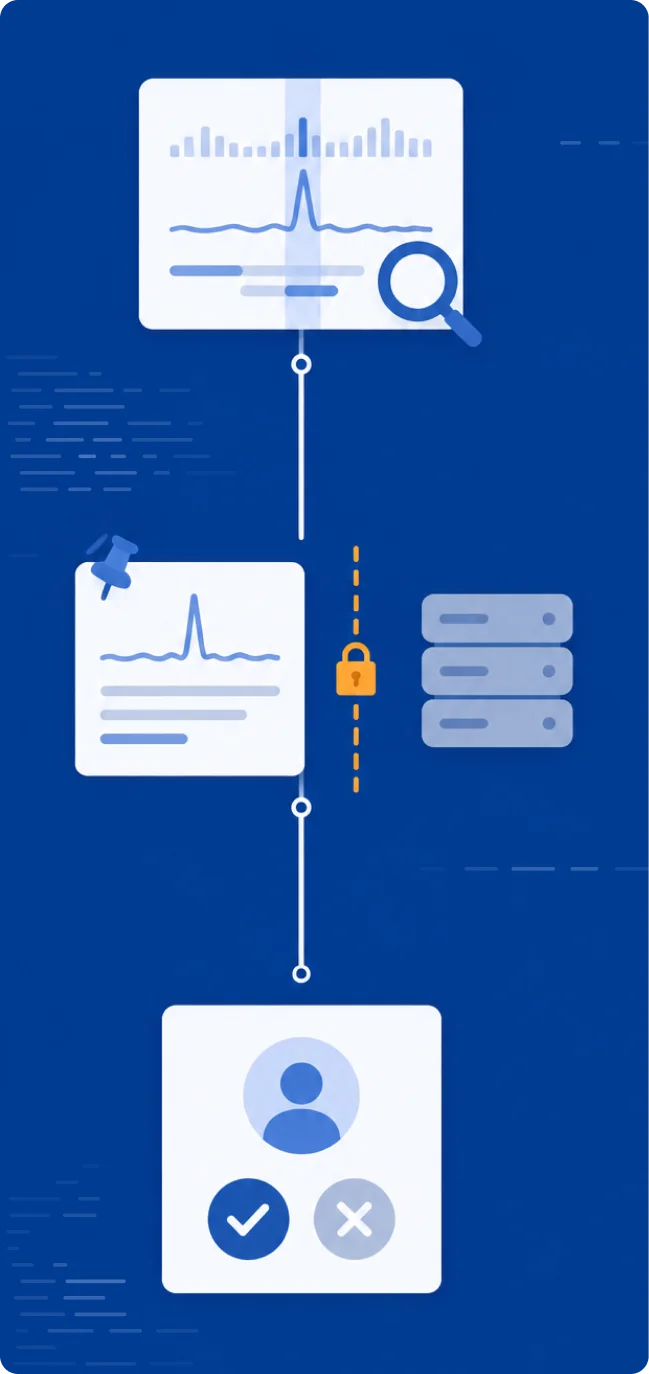
During an incident, our AI agents read your logs, metrics, traces and change history, then propose a likely cause with the evidence attached. They have no write access to production, and your on-call engineer decides what happens next.
AIOps Readiness Assessment
Assess
A two-week review of your monitoring, logging, tracing and incident history.
Observability Data Foundation
Build
Logs, metrics, traces and change events in one place, so AI has something useful to read.
AI Root Cause Analysis
Build
A read-only agent links alerts, changes and logs into a proposed cause your engineer confirms.
Alert Noise Reduction
Build
Alerts grouped, deduplicated and ranked, so on-call sees the few that matter.
Incident Runbook Automation
Build
Runbooks become guided steps, with an approval gate and an audit record on every action.
Post-Incident Review Automation
Run
Timelines and review drafts written from the record, not from memory.
Managed AI Operations
Run
Monthly tuning and a time-to-resolution report.

From Form to Savings Backlog in Two Weeks

Read-only access to billing and usage data. Nothing to install, and no change to your systems.
how it works
01

Week 1: We Map Every AI Cost

Tokens, GPUs, seats, API keys and unapproved tools, each tied to a team and a use.
02

Week 2: We Rank the Savings

Every saving sized in dollars a month and ordered by effort, so you know what to take first.
03

Day 14: You Get the Report

A one-page cost view, a ranked savings backlog and a 30-minute readout. Yours to keep, whether you work with us or not.

Controls on Every Engagement

We put these controls in place on every engagement. Each one leaves a record you can show your auditors or your security team.

Spend Has Limits

Token budgets, quotas and caps per team and sprint, with alerts on anything unusual.

Standards Enforced in the Pipeline

AI-written changes pass automated checks before they can merge.

Every Step Linked

Requirement, ticket, pull request, review, test and release form one auditable chain.

Agents Read, People Decide

Operational agents are read-only. Any change needs a person's approval at a runbook gate.

Frequently Asked Questions

Is the AI Spend Assessment really free?
Yes. It is the best first conversation we can have with a new client. You keep the report and the savings backlog whether you work with us or not.
What does the two-week assessment cover?
Token, GPU, seat and API key spend, mapped to teams and use cases, plus any AI tools in use that IT has not approved. You get a one-page cost view and ranked savings.
Do your AI agents have write access to our systems?
No. Assessment and operations agents are read-only. Any change goes through a person's approval at a runbook gate.
Where do our data and code stay?
Code and operational data stay in your environment. For vendor-hosted tools such as ChatGPT Enterprise, we configure the admin controls that govern what users can share.
We already use Copilot. What does this add?
Copilot writes code. We add the checks, budgets and traceability around it, so you can show what AI wrote, what it passed and who approved it.
How is the result measured?
Against a baseline we take in the assessment: spend per team, merge-check pass rates or time to root cause. The same figures are measured again at the end.
Which service line should we start with?
Most clients start with AI FinOps. It shows savings fastest, and those savings can fund governed delivery and AI operations.
Holograph pattern

Find Out Where Your AI Money Goes. Free.

Tell us which AI tools you use and where the spend or risk sits. In two weeks, you get a one-page cost view and a ranked list of savings.

Get Your Free AI Spend Assessment

Thank you! Your submission has been received!
Oops! Something went wrong while submitting the form.