Trusted by 170+ Enterprise Clients

Holograph Pattern

Why Multi-Vendor Security Is Hard to Report On

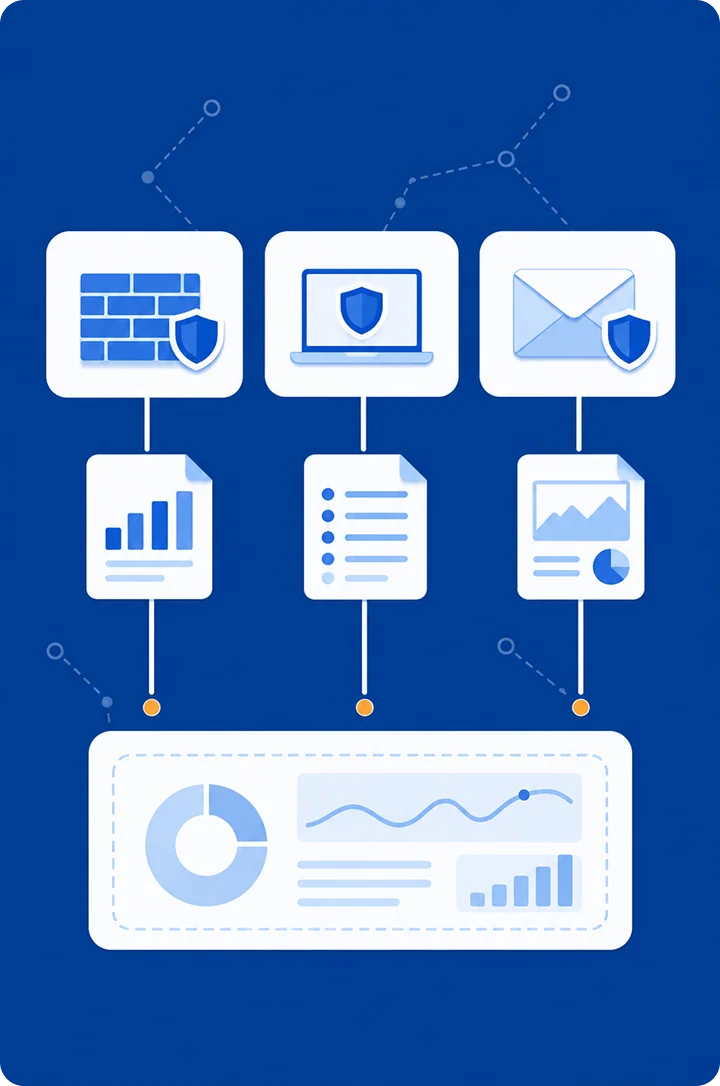
When firewall, endpoint, email security and testing come from different vendors, each reports in its own console and format. An auditor or a customer’s security team expects one view of risk.
how it works
01

Gaps Between Controls

Controls that each pass their own checks can still leave gaps where they meet, such as unmonitored egress traffic or stale firewall rules.
02

Findings in Different Formats

Scanner exports, pentest PDFs and console screenshots do not combine into one report an auditor can use.
03

Nobody Owns the Whole Picture

Each vendor manages its own scope, and nobody is accountable for security across all of them.

How We Run a Security Engagement

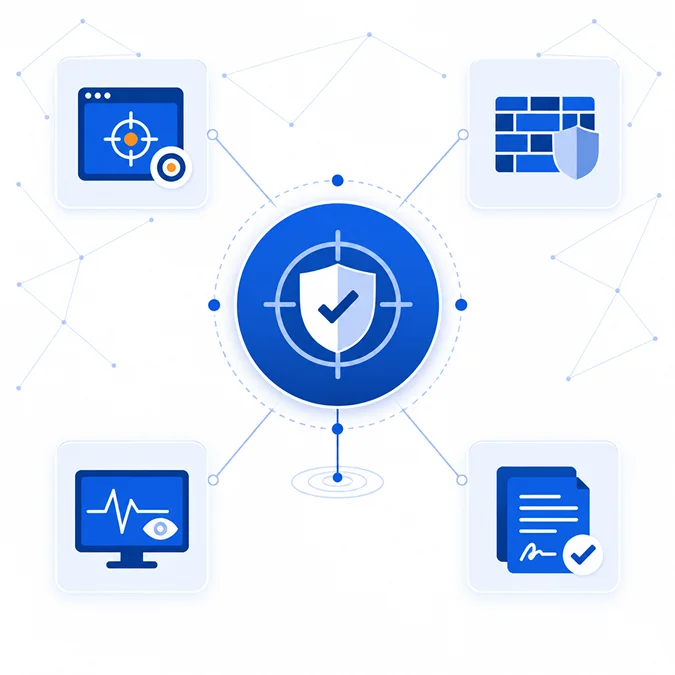
We scope and deliver testing, network security, monitoring and identity work under one contract, with Holograph as your single point of contact.

A Dedicated Project Manager

One Holograph project manager owns the engagement from purchase order to handover, across every workstream.

Findings Ranked by Exploitability

We rank each finding by how exploitable it is and the attack path it opens, alongside its CVSS base score.

Remediation Support

We work through the remediation plan with your engineers, starting with the highest-risk findings first.

A Summary Your Board Can Read

Each report pairs an executive summary for leadership with technical detail your engineers can act on.

Services

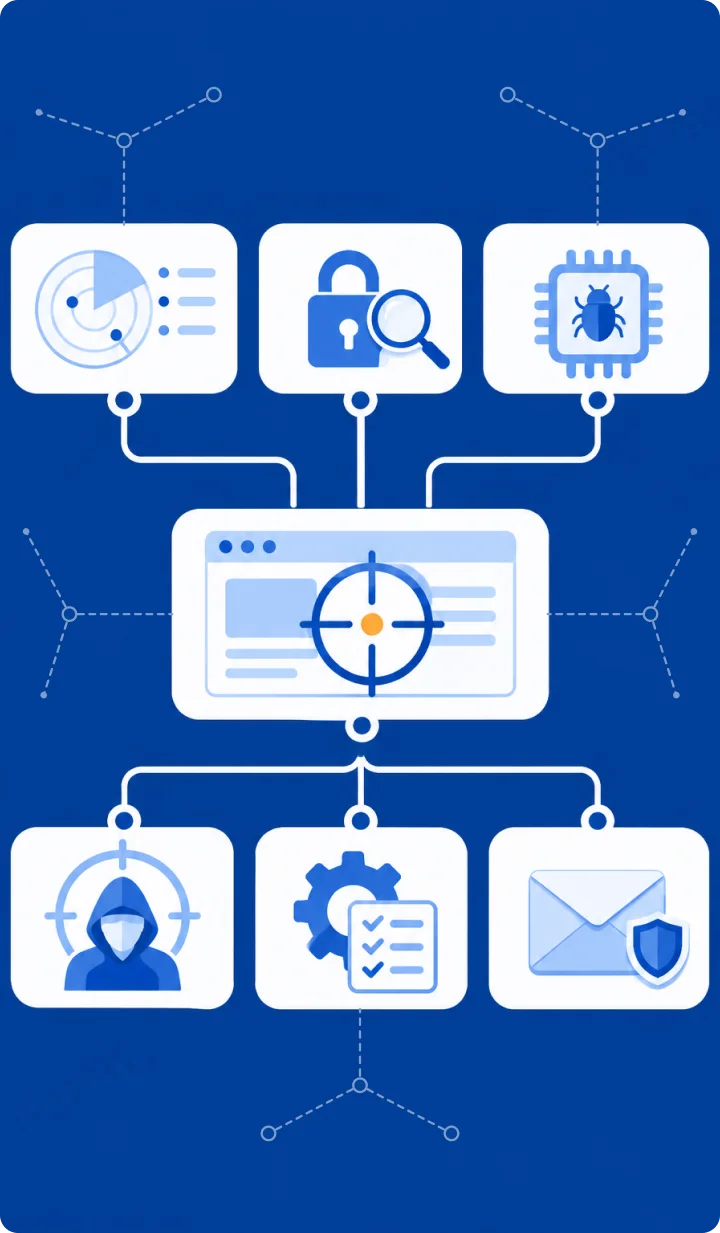
Find Exploitable Weaknesses Across Your Attack Surface

Vulnerability Assessment
We run authenticated and unauthenticated scans across your networks, servers and applications, remove false positives and prioritize results by risk.
Penetration Testing
We manually test your external perimeter, internal network, web and mobile applications and APIs. Our internal tests cover lateral movement, privilege escalation and Active Directory attack paths.
AI Penetration Testing
We test LLM features and AI agents for prompt injection, data leakage through retrieval, and excessive permissions on the tools they can call.
Red Teaming
We run objective-based simulations against an agreed target, using any route the rules of engagement allow.
DoS and DDoS Testing
We run controlled volumetric and application-layer (Layer 7) attack simulations against your applications to find the point where they slow down or stop.
Configuration Audit
We review how your firewall rule bases, server builds and cloud account configurations are set up against your security policy or your auditor's standard, and list every gap.
Email Gateway Audit
We test what your email gateway lets through, including phishing payloads, malicious attachments and spoofed senders, and review SPF, DKIM and DMARC.
Security Posture Assessment
We assess your controls across network, endpoint, identity, cloud and monitoring, and deliver a prioritized remediation plan.
ISO 27001 and SOC 2 Readiness
We assess your controls against ISO 27001 Annex A or the SOC 2 Trust Services Criteria and plan remediation before the audit.

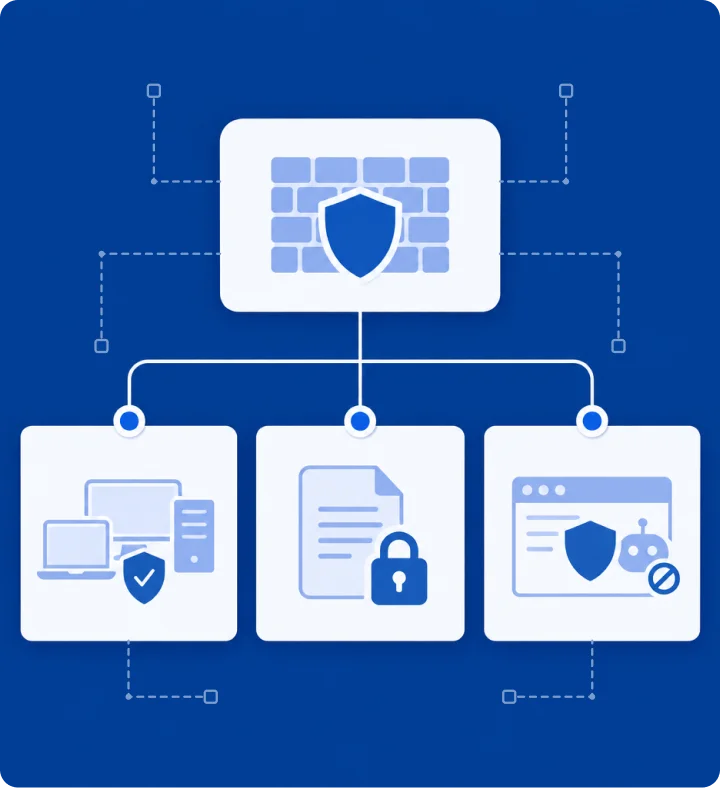
Harden the Network Edge and Every Endpoint

Firewall and Intrusion Prevention
We configure and tune next-generation firewalls and IPS, including rule-base design and cleanup, segmentation policy and high-availability configuration.
Endpoint Security and Antivirus
We configure and manage endpoint protection policies across laptops, desktops and servers from one console, with coverage reporting.
Data Loss Prevention (DLP)
We design and tune DLP policies for email, web uploads and removable media, based on how your data is classified.
Web Application Firewall (WAF) Tuning
We configure and tune next-generation firewalls and IPS, including rule-base design and cleanup, segmentation policy and high-availability configuration.

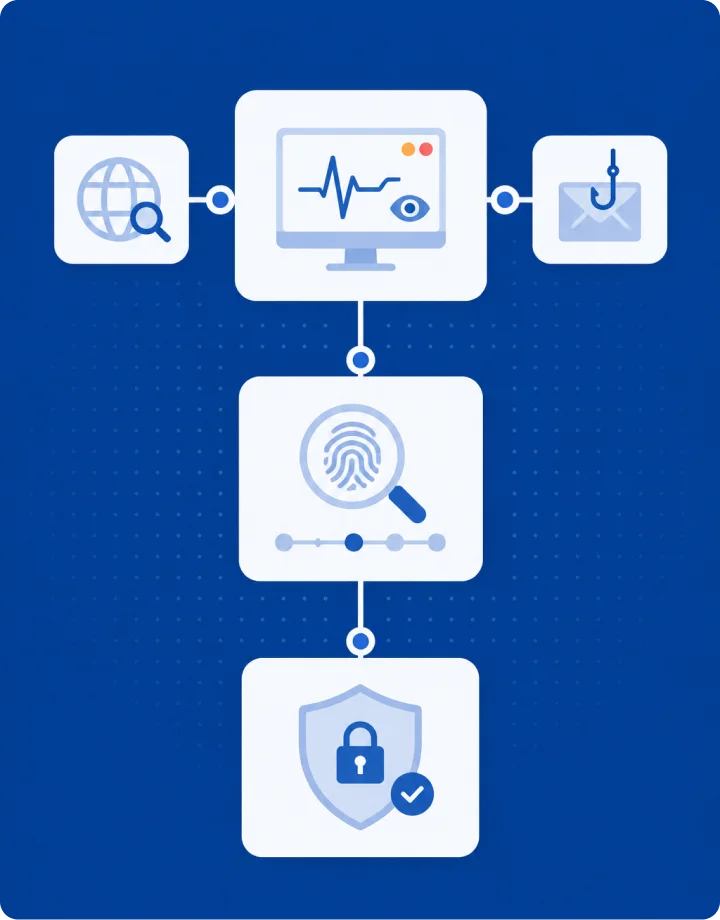
Detect and Contain Threats

Security Operations Center (SOC) Monitoring
We monitor alerts and logs from your firewalls, endpoints, servers and cloud accounts, with coverage hours agreed at scoping. Analysts categorize each alert, investigate confirmed activity and escalate it with context and a recommended response.
Dark Web Monitoring
We monitor criminal forums, marketplaces and paste sites for leaked credentials, company data and mentions of your domains.
Digital Forensics and Incident Response
When you suspect a breach, we scope the compromise, contain affected hosts and accounts, preserve evidence, and establish root cause and a timeline for insurers and regulators.
Virtual CISO
A virtual CISO runs your security program part time. The work includes the risk register, policies, board reporting, customer questionnaires and the security plan.
Phishing Simulation and Awareness Training
We run phishing simulations across the organization and target training at the teams and roles that clicked or submitted credentials.

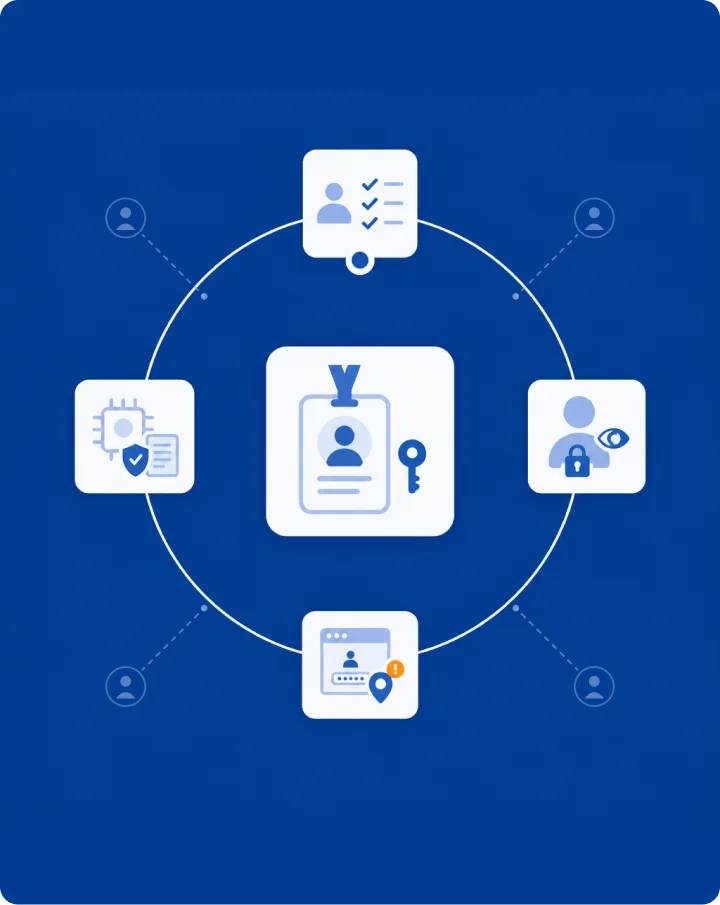
Control Who Has Access to What

Identity and Access Management (IAM)
We design and implement joiner, mover and leaver processes, role-based access and provisioning across your directory and core applications.
Identity Governance and Administration (IGA)
We run regular access reviews, where managers confirm who should still have access to each system, and keep a record your auditors can check.
Privileged Access Management (PAM)
We manage administrator accounts, service accounts and third-party logins so each one is monitored and every use is logged.
Identity AI
We use behavioral analytics to flag anomalous access, such as a login from a new country or a sudden spike in file access from one account.
AI Governance
We define acceptable-use policy, access boundaries and logging for AI tools and agents, so each one's data access is documented and reviewable.

Why Multi-Vendor Security Is Hard to Report On

how it works
01

Scope

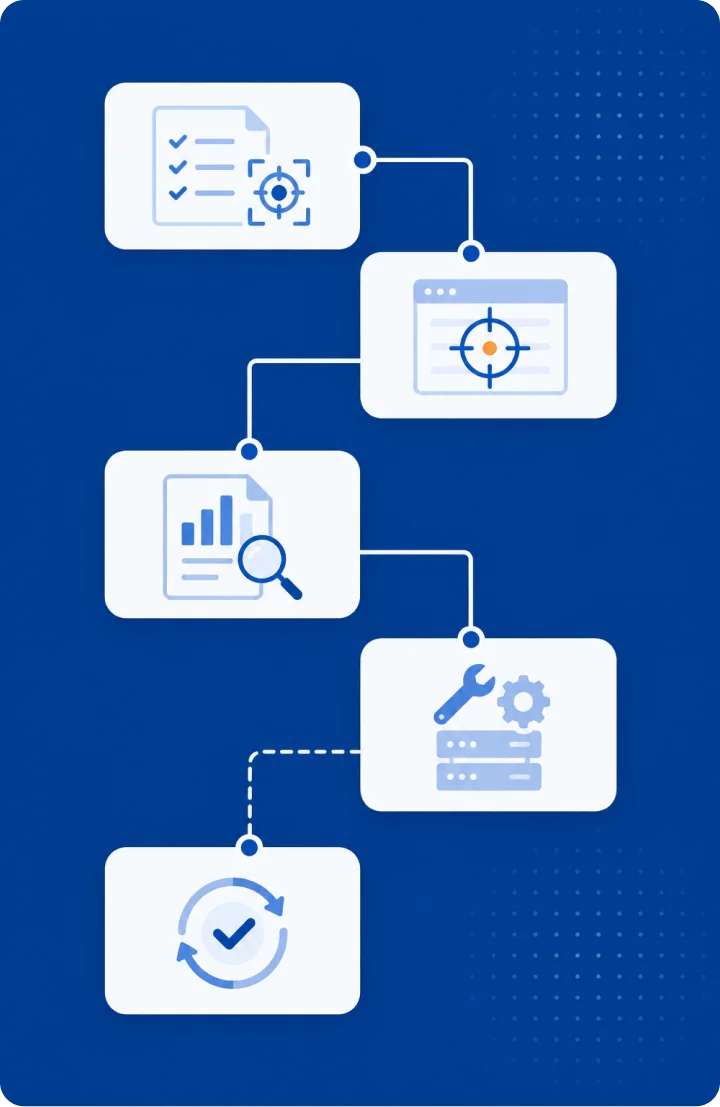
We agree in writing the targets, exclusions, testing windows, test accounts and rules of engagement.
02

Test

Testers work only inside that scope. We escalate critical findings as soon as we confirm them.
03

Report

We deliver evidence, reproduction steps, a risk rating and remediation guidance for each finding.
04

Remediate

Your team applies the fixes, with our support.
05

Retest, Where Agreed

We retest remediated findings when retesting is part of the agreed scope.

What Each Test or Assessment Delivers

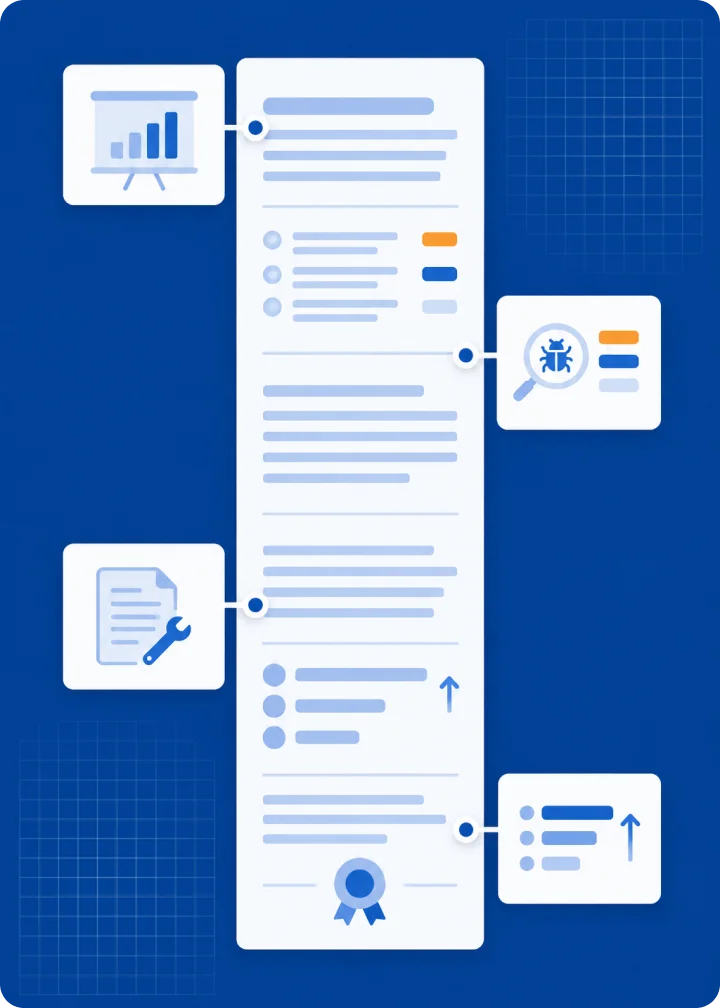
Every test and assessment ends with a written report containing:
how it works
An executive summary of risk for leadership
Each finding with evidence, reproduction steps and a severity rating
Remediation guidance specific to your environment
A remediation plan ordered by exploitability
Ask for a Sample Report

Who Does the Work

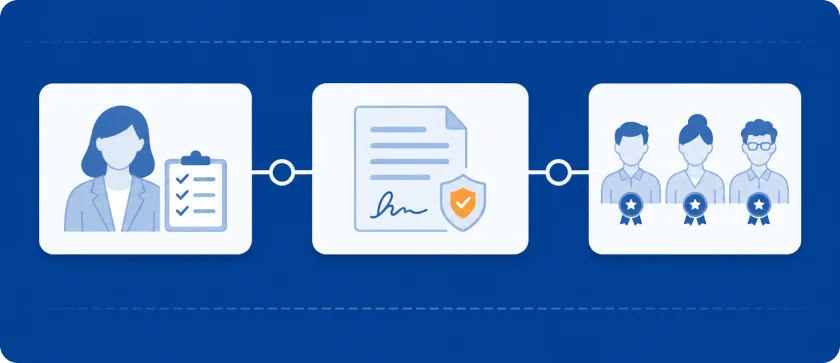
Holograph owns every engagement from purchase order to handover, with a dedicated project manager accountable for scope, delivery and reporting. Certified practitioners holding CEH, OSCP, CHFI, CREST and AWS certifications carry out the work under our contract and NDA.
how it works

Related Services

Frequently Asked Questions

How is a penetration test different from a vulnerability scan?
A vulnerability scan identifies known weaknesses and misconfigurations at scale. A penetration test confirms which ones are exploitable, chains them into attack paths and finds logic flaws a scanner cannot see. A full assessment uses both.
Is VAPT the same as a penetration test?
VAPT combines a vulnerability assessment, which gives breadth across your assets, with a penetration test, which gives depth on the systems that matter most. We scope them together or separately, depending on what your auditor or customer asks for.
How is a test scoped?
We agree on the targets, IP ranges, applications and APIs in scope, the explicit exclusions, the user roles to test and the testing windows. We also agree rules of engagement and emergency contacts in writing before testing starts.
What happens if you find something critical during testing?
We pause testing and notify your named contact immediately. Testing resumes once containment is agreed.
What access do you need from us?
External tests need no access. Internal tests need a network foothold, such as a VPN account or a test laptop on your network. Application tests need a test account for each role in scope, and configuration audits need read-only access.
What access do you need from us?
External tests need no access. Internal tests need a network foothold, such as a VPN account or a test laptop on your network. Application tests need a test account for each role in scope, and configuration audits need read-only access.
Can you help us answer a customer security questionnaire or an insurance renewal?
Yes. We map each question to the relevant controls, assess them, and provide supporting evidence such as test reports and access review records.
Do you work to ISO 27001 or SOC 2?
We help organizations prepare for ISO 27001 certification and SOC 2 audits, starting with a gap assessment. We are not certified against either standard ourselves.
Who carries out the work?
Certified practitioners holding CEH, OSCP, CHFI and CREST certifications carry out the work under our contract and NDA. A dedicated Holograph project manager owns the engagement from purchase order to handover.
Is retesting included after we fix the findings?
Retesting is agreed case by case, most often when reported findings are challenged and need to be verified again.
How long does an engagement take, and when is the report delivered?
Answer to come.
Holograph pattern

Start With a Scoping Call

Tell us what you need tested, hardened or monitored, the environment
involved and the deadline you are working to.

Book a security scoping call